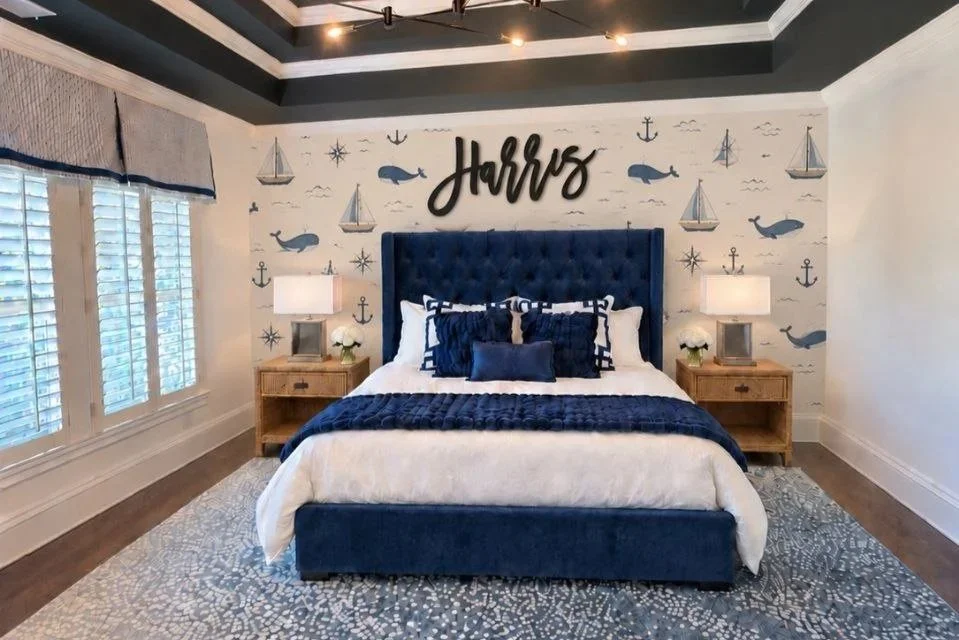
Moving with an autistic child: what helped our son feel safe in our new home
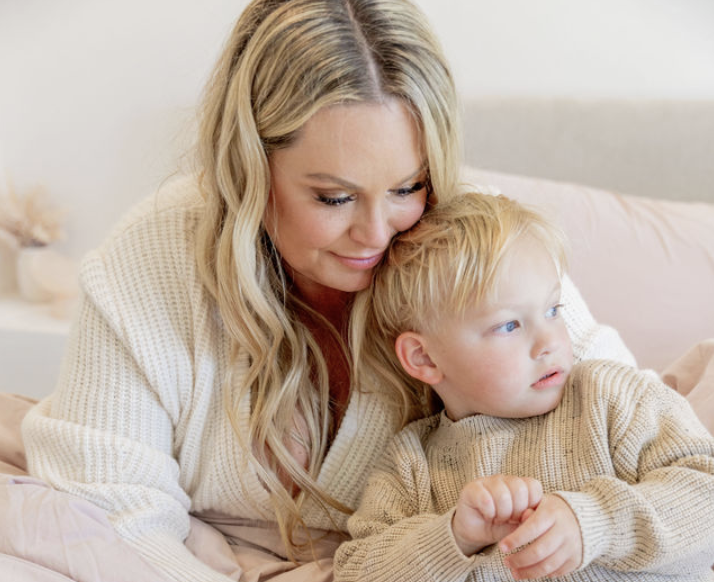
When the movers showed up, I told them one thing.
His room matters more than any TV in this house.
They probably thought I was being dramatic. But if you’re moving with an autistic child, you know exactly what I meant.
We recently moved into a new home. And for our son Harris, a new house isn’t just a new address. It’s a change in almost everything he counts on to feel safe.
So I planned his part of the move differently. Some of it came from research. Some came from his ABA therapist. And some came from simply knowing my boy.
Here’s what we did, what helped, and what I’d share with any mom walking through a move with a special needs child.
How does moving affect a child with autism?
Moving changes a child’s routine, surroundings, sounds, and smells all at once. For many autistic kids, predictability is what helps them feel safe, and a move takes that away overnight. That can show up as anxiety, meltdowns, trouble sleeping, or refusing to go into new spaces.
For Harris, chaos is the hardest part. If he walks into a space that’s messy and unfamiliar, his reaction is basically, “Nope. Not mine.”
But when he knows he has his own calm space to go to, he’s usually okay. That one truth shaped every decision we made.
We didn’t do any of this alone, either. Parenting a neurodivergent child takes a village, and ours showed up in a big way during this move.
Before the move: packing his room first and leaning on our village
A lot of moving tips say to pack your child’s room last. We did the opposite, and it worked for us.
Harris and his brother Jonah shared a room at our old house. I packed up Harris’s things early so his new room could be set up and ready. Until moving day, he slept in my room with me.
That gave me the time to get his new space completely finished before he ever stepped inside.
We also asked his ABA therapist to walk through the new house before Harris saw it. I simply asked her, “What do you think would help him most here?” Several of the ideas below came straight from her.
It’s the same kind of prep we do before any big change. If you’ve read about how we prepare for Disney with autism, you know I’m a planner when it comes to Harris. A move deserves that same care.
Why we didn’t let Harris see the new house until his room was ready
Most advice for moving with an autistic child says to visit the new house early or show photos ahead of time. That works well for a lot of kids. For Harris, I made a different choice.
Our other kids, Isa and Jonah, came over before we moved in. Harris didn’t. I kept him away until his room was completely finished. Not mostly done. Done.
I didn’t want his first memory of that room to be boxes and noise.
So when he finally walked in, he could go straight to a space that already felt calm and ready for him. The rest of the house could be chaos. And it was. But his room was his.
Every child is different, and you know yours best. But if your child struggles with mess and unpredictability, it’s worth thinking about what their very first impression of the new house will be.
Autism bedroom ideas that made his room feel safe
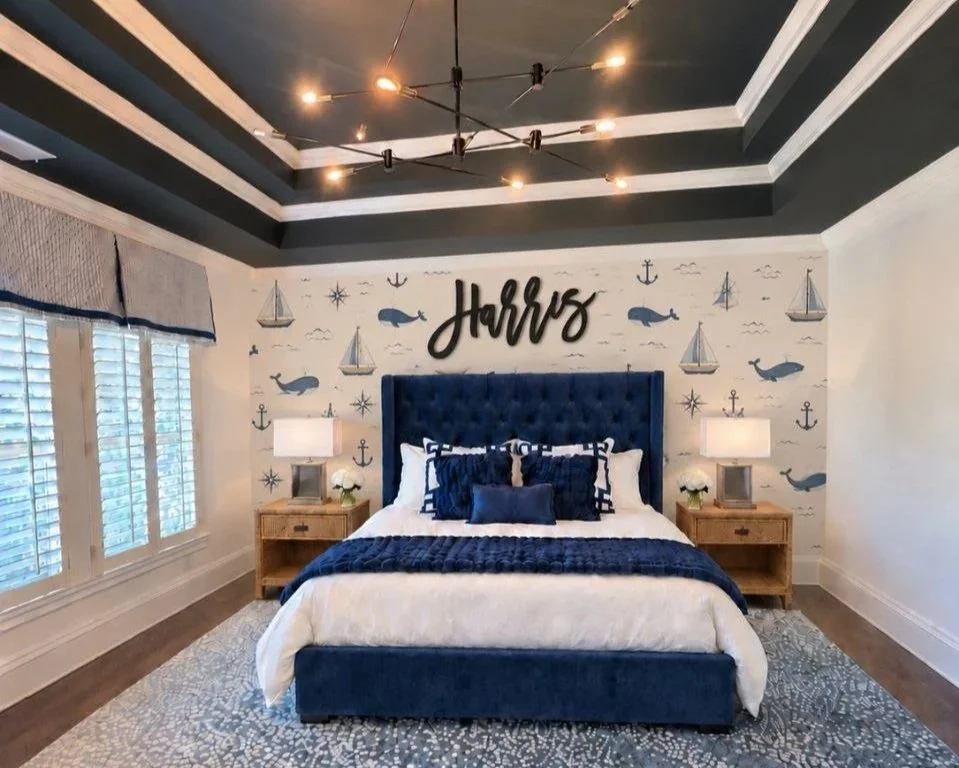
Once I knew his room would be his anchor, I put a lot of thought into how it felt. Here’s what’s in there and why.
Soft lamps instead of overhead lights
His therapist told us that many kids with autism do better without bright overhead lights. So we use small lamps instead.
I also put red light bulbs in his lamps. Harris deals with night terrors, and sleep has always been hard for him. Red light is gentler at night, and it’s thought to get in the way of the body’s natural melatonin less than bright white light. It’s become a calming part of his bedtime. It helps the rest of us wind down too.
If sleep is a big concern for your child, it’s worth asking your pediatrician or therapist what might help.
Sound that settles him
This one has been a lifesaver for us. It’s a small sound machine called the Aura. It’s about $80 and has different frequency settings for things like calm, focus, and rest.
I researched a lot of options before I tried it. Now we have one in every bedroom, including mine. There’s even a small portable one I keep in my purse for hard moments when we’re out.
It helped Harris settle his anxiety around the move more than I expected.
A scent that says “this is home”
Smell matters a lot to sensory kids. We use a Pura plug-in diffuser in his room. I set it on a timer through the app, so it only runs when he’s home.
The goal is familiarity. When he walks in, his room smells like his room. This is my smell. This is where I belong.
Comfort pieces that make it his
Then I filled the room with things that are just Harris.
Dog lamps, because he loves dogs.
Light-up acrylic dolphins with glitter inside, a little find from a Cracker Barrel stop. They sit right beside his bed.
The rocking chair from his nursery. I rocked him in it when he was a baby, and he still climbs in and sits.
A basket of squishy fidget toys within easy reach.
A spot for his favorite books. He’s started choosing them himself and setting them in his bed to read before sleep.
Next up is a big ocean and mountain mural beside his bed. He loves looking at water and mountains, so I can’t wait to see his face when it goes up.
What did our first night in the new house look like?
The first night in a new house is a big one. Our plan was simple. Stay close and keep the routine the same.
I stayed in bed with Harris that night. I also got him a long body pillow so he’d have that snug, close-in feeling so many sensory kids love. Then we walked through his whole bedtime routine, step by step, just like always.
Nothing fancy. Just presence and predictability. That’s what he needed most.
Keeping routines steady when the rest of the house is chaos
Autism and change in routine can be a hard mix, and a move changes almost everything. So my job was to keep as much the same as I could, even when our house was anything but calm.
A visual schedule for autism he can follow
Kids with autism often do best with a step-by-step plan they can see. We got the Skylight calendar for Harris’s room and Jonah’s room.
It lets me build a simple visual schedule. First, take off your clothes. Then, get in the bath. Then, put on your pajamas. Harris knows what comes next without me saying it ten times.
He also has his own bathroom for the first time ever, so I put a simple step list in there too.
Old dinner, new dinner
I showed Harris pictures of where we used to eat dinner, then showed him where we eat now. Now he’ll point and say, “Old, new dinner.” It makes me smile every time.
The rhythm of our evenings stayed the same, too. He plays outside from 4 to 6. At 6, we come in for dinner. At 7, we head upstairs. Same times, new house.
A place for everything
Harris has his own cubby in the mudroom with picture labels. A picture of a jacket shows where his jacket goes. A picture of a backpack shows where his book bag goes.
He sits in the same chair at meals, too. When everything else is changing, knowing where you eat and where your things go is a big deal.
Retreat spots beyond his bedroom
I didn’t want his room to be the only safe spot. So we set up a few places where he can go to reset. There’s a swinging daybed on our back porch, and we hung a hammock swing he loves.
While we unpacked, I also tried to keep him out of the most chaotic rooms. The goal was to help him stay steady and regulated, even on the days the rest of us weren’t.
Moving with a special needs child: a simple checklist
If you’re about to move, here’s what I’d keep in mind.
Ask your child’s therapist to walk the new home and share ideas.
Pack your child’s room early so their new space can be ready first.
Consider waiting to show them the house until their room is fully set up.
Swap bright overhead lights for soft lamps.
Add calming sound and a familiar scent to their room.
Bring comfort objects from the old house, like a favorite chair or toys.
Plan to stay close on the first night.
Use a visual schedule for daily routines.
Keep meals and bedtime at the same times as before.
Create a few calm retreat spots around the house.
Frequently asked questions
How long does it take an autistic child to adjust to a new home?
There’s no set timeline. Some kids settle in within days, and others need weeks or months. Keeping routines the same, giving them a calm space of their own, and being patient with setbacks all help. Your child’s therapist can help you watch for signs they need extra support.
Should I show my autistic child the new house before we move?
It depends on your child. Many families find early visits or photos helpful. For our son, who struggles with chaos, it worked better to wait until his bedroom was fully set up. That way his first experience of the house was calm and familiar.
Should I pack or unpack my child’s room first?
Many parents pack their child’s room last and unpack it first so it stays familiar as long as possible. We packed our son’s room early so his new room could be completely ready before he arrived. Either way, the goal is the same. Their space should be calm and ready when they need it.
How can I help my autistic child sleep in a new house?
Keep the bedtime routine exactly the same. Bring familiar bedding and comfort items, use soft lamps instead of overhead lights, and add calming sound. Staying close the first night can help too. If sleep problems continue, talk with your pediatrician.
Finding steady ground in a season of boxes
Moving with an autistic child is a lot. I won’t pretend it isn’t. Our move had its share of messes, and some days still feel heavy.
But I keep coming back to this. When everything around us is in boxes, God is still steady. He doesn’t move.
“Be still, and know that I am God.” That verse has carried me through more than one hard season. If you need a few quiet minutes with it, my Psalm 46 devotional for the overwhelmed mom is a good place to start.
Harris needed a calm place to land. So do we.
If you’d like to see the things that helped make Harris’s room feel like home, I’ve gathered them on my Amazon storefront. I hope it helps you create a safe space for your little one too.