
Disney With Autism: 7 Tips That Actually Helped Our Family
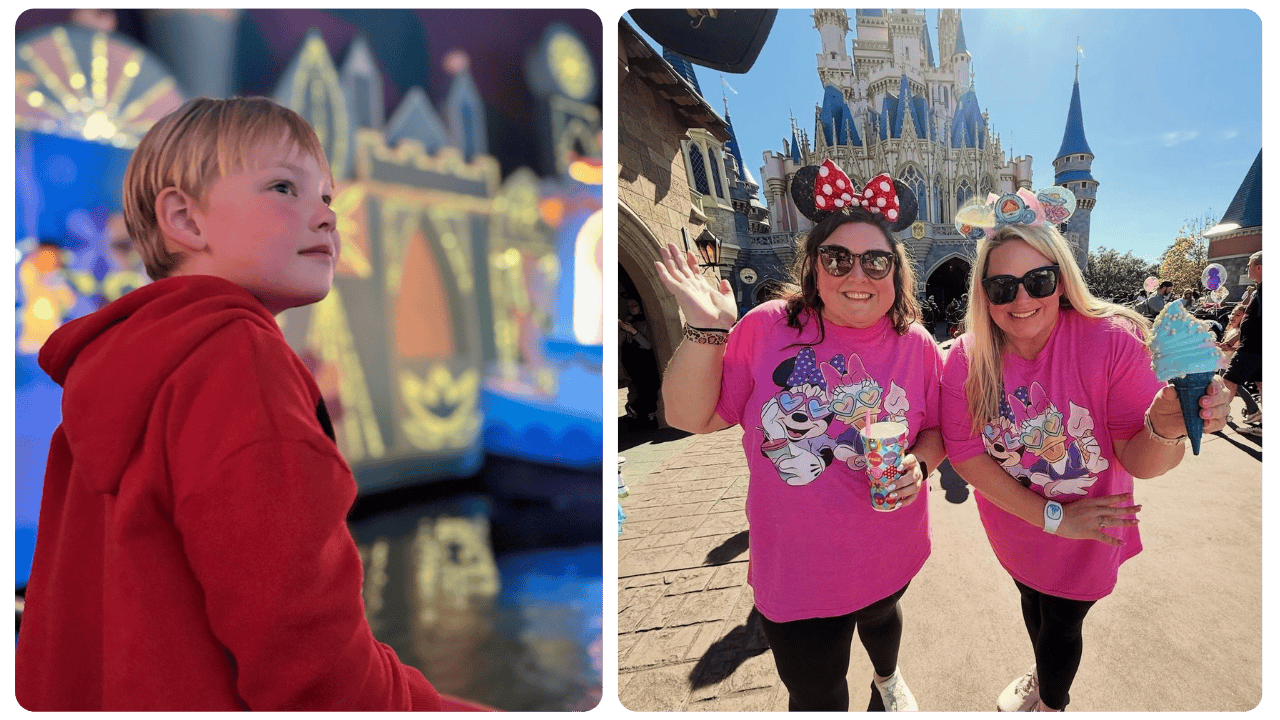
The first time we took Harris to Disney (our autistic son), I wasn't sure how it would go. I had read the tips. I had packed the bag. I had prayed over the whole thing more than once.
But I still wasn't sure.
Because doing Disney with autism isn't the same as doing Disney with a neurotypical child.
And if you're a parent in this season, you already know that. You're not looking for someone to tell you it's easy. You're looking for someone who has actually been there. So that's what this is.
These are the things that helped our family. The real ones. The ones I wish someone had told me before our first trip.
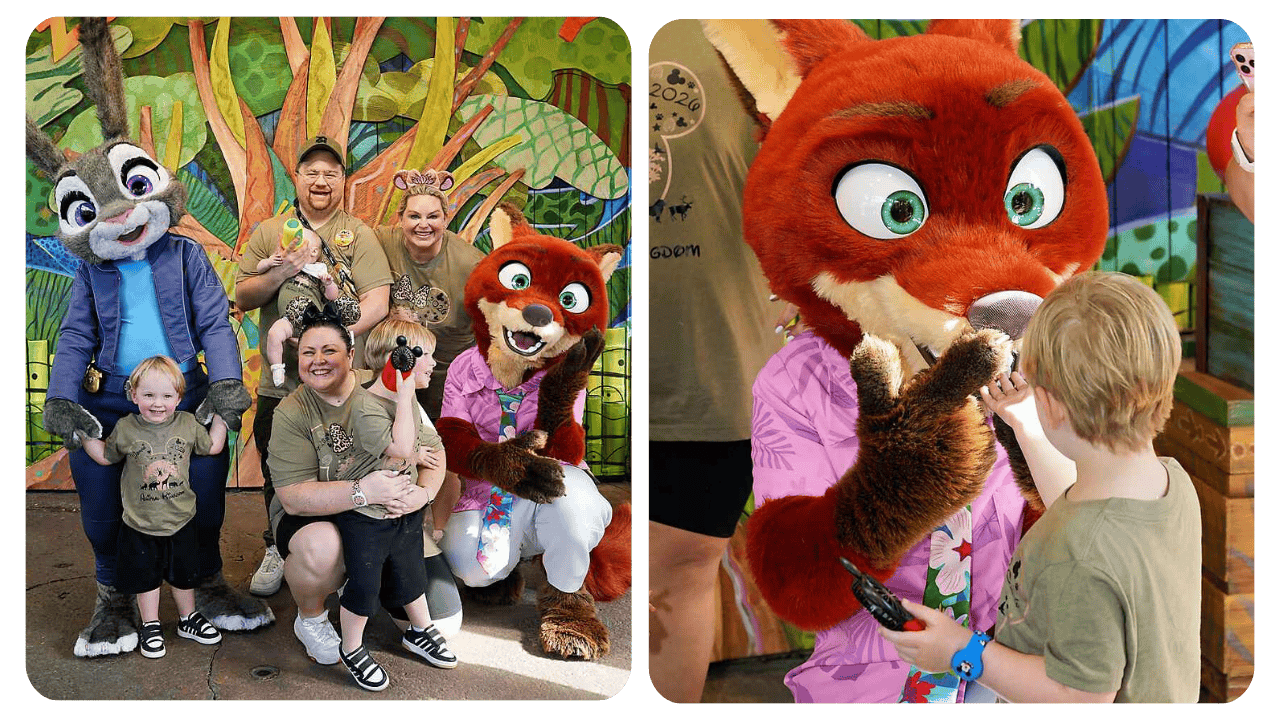
1. Go Slower Than Everyone Else
Disney culture can make you feel like you need to do everything. Every ride. Every show. Every character meet. Every meal. But doing Disney with autism taught me something early on.
Slower is better.
Instead of racing across the park, we focus on the few things Harris actually loves. For him, that's the rides. He loves movement. He loves roller coasters. So we lean into that and let go of everything else.
Some of our days look like:
Riding a favorite coaster two or three times
Walking slowly with no real agenda
Stopping to listen to the music on Main Street
When you take the pressure off, the whole day shifts. It stops being about how much you did and starts being about how your child felt. That's the version of Disney worth showing up for.
2. Use the Disney Disability Access Service
This one changed everything for our family. If you haven't heard of it, the Disney Disability Access Service is a program Disney offers for guests who have difficulty waiting in traditional standby lines.
Instead of standing in a crowded queue for 45 to 60 minutes, the Disney Disability Access Service allows you to request a return time for a ride. You come back when it's your turn and enter through a separate line.
For children with autism, this is huge.
Long lines can mean:
Unpredictable noise and movement
Crowded personal space
Long stretches of waiting with no clear end in sight
That combination can turn a fun day into a very hard one, fast. With the Disney Disability Access Service, Harris gets to enjoy the rides without the part that overwhelms him most.
To use it, you can register through the My Disney Experience app or visit Guest Services at the park. Cast members are kind and the process is straightforward.
If you're planning a Disney with autism trip and you don't have this set up yet, it's the first thing I'd recommend.
3. Build Sensory Breaks Into Your Day
Even when the rides are going great, Disney is still a lot. The sounds. The crowds. The music. The lights. The constant movement all around you.
For Harris, we learned that building intentional breaks into our day helped him stay regulated and actually enjoy more of the experience.
Some of our favorite ways to take sensory breaks at Disney:
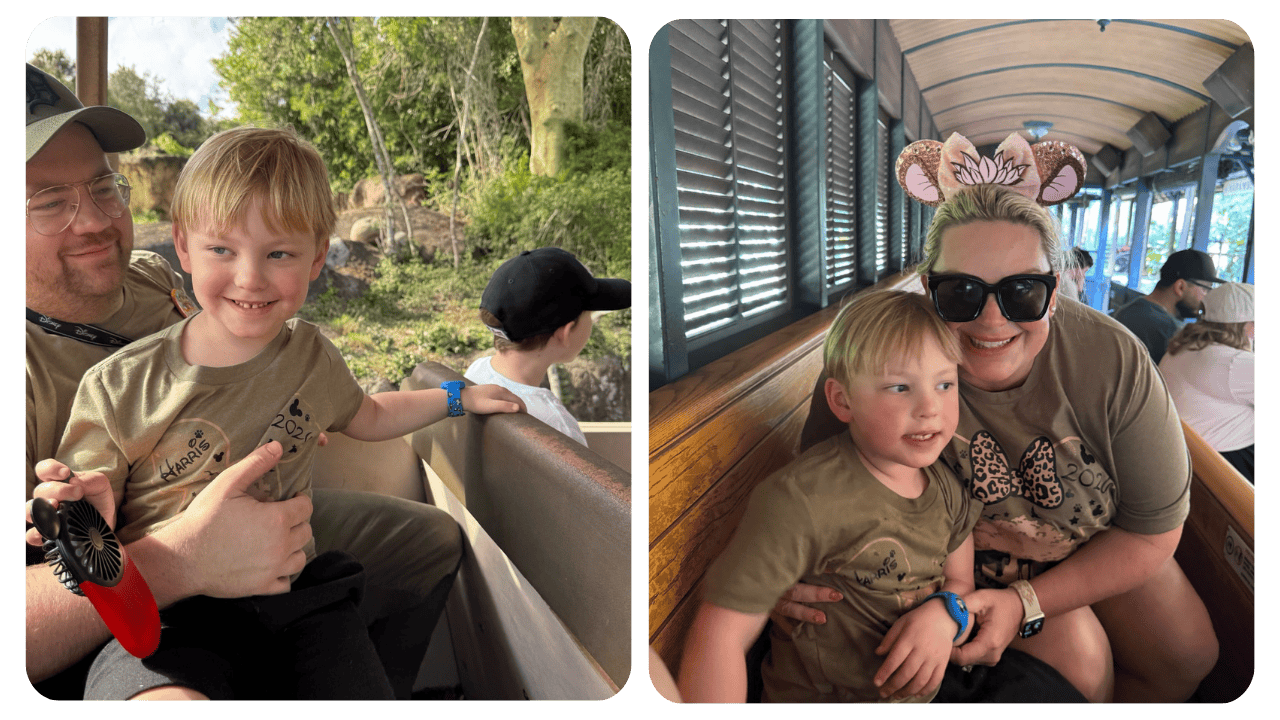
Riding the train that loops around the park
Finding a shaded bench in a quieter section
Sitting inside a dim, air-conditioned attraction
Walking through less crowded areas at a slow pace
These aren't wasted time. They're what makes the rest of the day possible. Think of it like filling up a tank. The breaks are what keep him going.
4. Pack the Things That Feel Like Home
New environments can feel really big for children with autism. Familiar items help close that gap a little.
Before every Disney trip, I make sure we have:
His favorite snacks
Noise-canceling headphones
A small comfort item from home
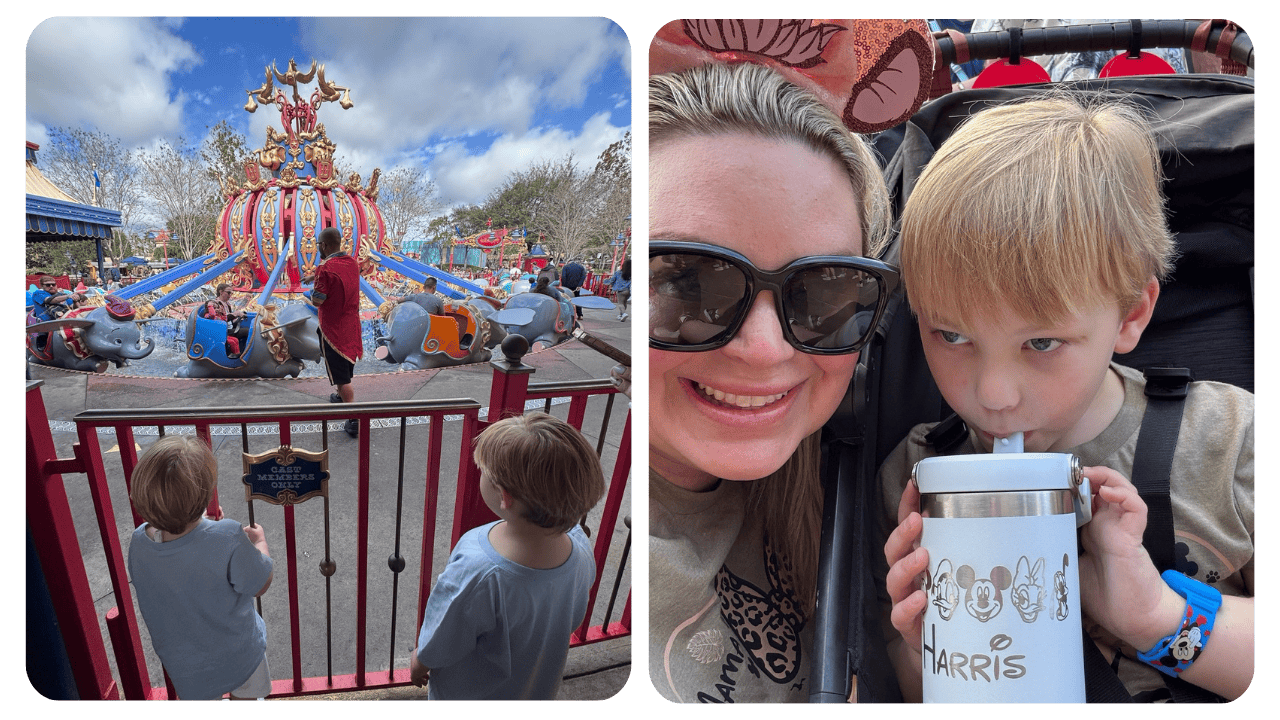
A water bottle he recognizes
His usual routine around meals and rest
These things don't take away the overwhelm completely. But they create little pockets of predictability in the middle of a very stimulating place.
And sometimes that's exactly what he needs to stay grounded.
5. Arrive Early
This one is simple but it makes a real difference.
The parks are calmer early in the morning. Shorter lines. Less noise. More breathing room. When we arrive right at opening, Harris gets to experience Disney at its most manageable. He can get on the rides he loves most before the crowds build.
Some mornings, we ride his favorite coaster twice before the park even gets busy. And honestly? That alone can carry the whole day.
6. Let Your Child Lead
This might be the most important thing Harris has taught me about Disney.
The most meaningful moments don't always come from the planned ones. Sometimes he wants to ride the same ride four times. Sometimes he wants to stand and watch the train. Sometimes he just wants to walk and take it all in.
When I stopped trying to create the "perfect Disney experience" and started following his lead instead, something shifted. The day became more peaceful. More joyful. More his.
I think that's true in parenting beyond Disney too. When we slow down enough to notice what brings our kids joy, we find something really beautiful waiting there.
7. Celebrate What Went Right
A successful Disney day with an autistic child doesn't have to look like anyone else's. Maybe it was one ride. Maybe it was one big laugh. Maybe it was the moment he saw a character he loves and his whole face changed.
Those moments are enough.
They are more than enough.
I've learned to hold those moments close and let go of how I thought the day was supposed to go. There's so much grace available in that kind of surrender.
One Last Thing
Doing Disney with autism has stretched me as a mom. It has required more flexibility, more patience, and more letting go than I expected. But it has also given me some of the most joyful memories I have with my son. Watching Harris laugh on a roller coaster is one of my favorite things in the world.
Not because it was easy to get there. But because it was real.
If you're planning a Disney trip with your child and you're feeling nervous about how it will go, I want you to know this:
You know your child.
You are the right person to take them.
And the magic you find will be exactly the kind they need.
Have questions about the Disney Disability Access Service or tips for traveling with a child with autism? Drop them in the comments. I'm happy to share more of what we've learned along the way.